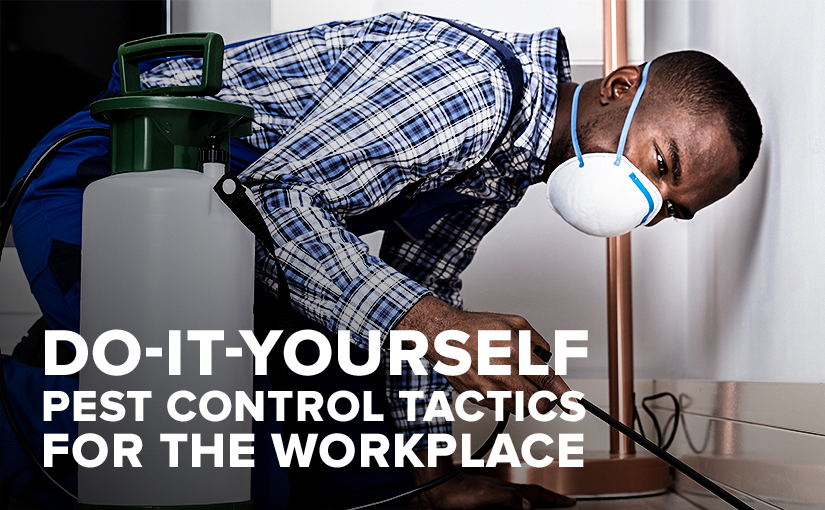
Do-It-Yourself Pest Control Tactics for the Workplace

Earlier this month, seven Kansas Department of Revenue employees were placed on administrative leave after a bed bug infestation was discovered in one of their office buildings. All employees were even required to inspect their homes for bedbugs before returning to work.

Believe it or not, pest infestations in the workplace are more common than you think. In fact, this year in the Central US, 87.1 percent of companies saw an increase in bed bug activity. Continue reading Do-It-Yourself Pest Control Tactics for the Workplace
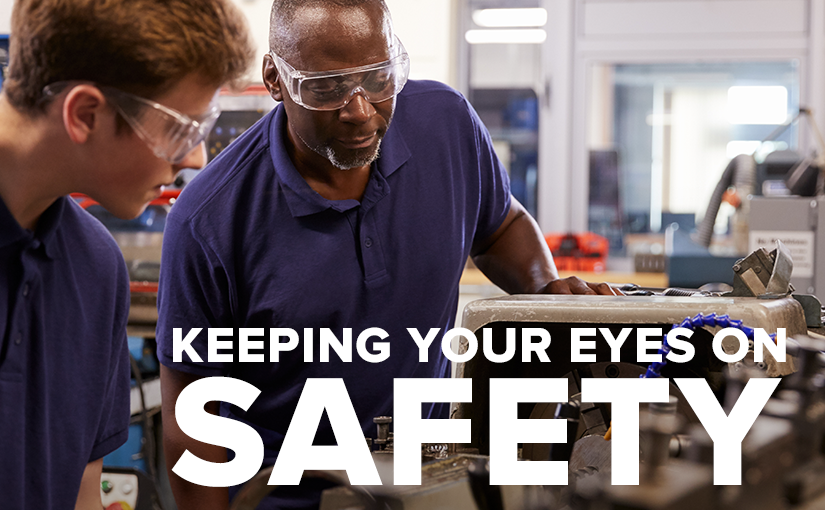

Reducing Eye Injury: The Basics

The Centers for Disease Control (CDC) reports that about 2,000 workers in the US sustain a work-related eye injury that requires medical attention each day. Prevent Blindness America and many other professional organizations maintain that 90% of these accidents could be prevented. As an employer, you are responsible for providing the proper personal protective equipment (PPE) for every person working under your supervision. You can do your part to prevent these injuries from happening by understanding when eye protection should be worn and what type of protection should be used for different tasks. Continue reading Reducing Eye Injury: The Basics

Staying Energized and Increasing Productivity on the Job

The ExxonMobil oil spill, Three Mile Island accident, Challenger Explosion, and Chernobyl were all disasters in their own right. They have each been studied extensively to isolate what caused them, and it’s been found there are many factors that worked together to cause these events to occur. What’s interesting is that one factor, in particular, was common among all of these crises—and it’s a factor that impacts every work site operating today: sleep deprivation. Continue reading Staying Energized and Increasing Productivity on the Job

When to Replace Safety Equipment

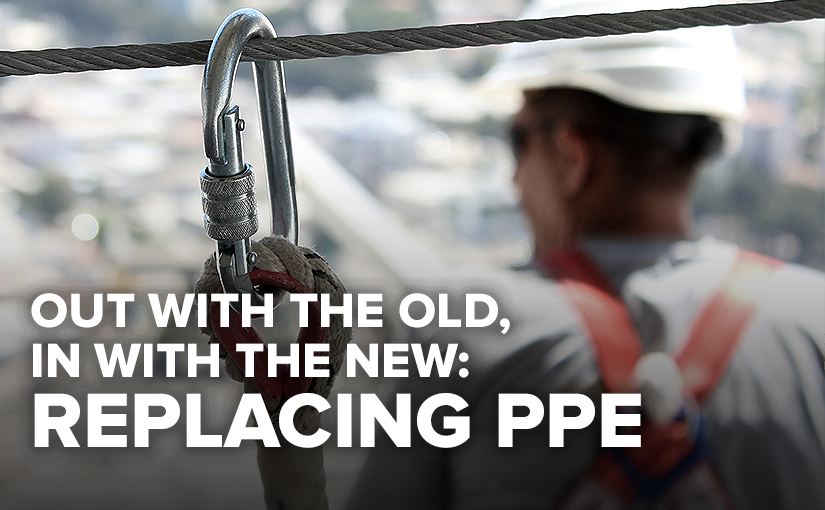
There might be more than calendars that need to be replaced in your workplace this January. As an industrial workplace employer, the safety of your workforce falls to you. Personal protective equipment (PPE) is considered the last line of defense for workplace safety. No matter the industry, knowing when to replace safety equipment minimizes failure of worn-out devices and resulting injuries. Here are some ways to know if it’s time to discard the old PPE and bring in some new gear. Continue reading When to Replace Safety Equipment

Your Business Flooded… Now What?

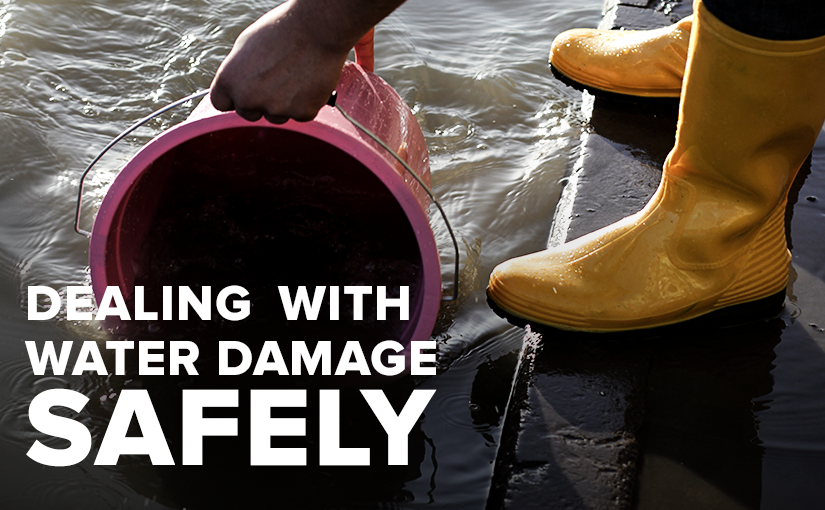
In the wake of two major hurricanes, countless businesses along our country’s southern coast are faced with the aftermath—in particular, water damage. We know that when it comes to your business operations, downtime equals lost revenue, so to help businesses get back up and running ASAP, we’ve compiled some steps to take in the event of a flood or other water damage. Continue reading Your Business Flooded… Now What?

How to Ensure Your Workers Stay Safe While Operating Machinery

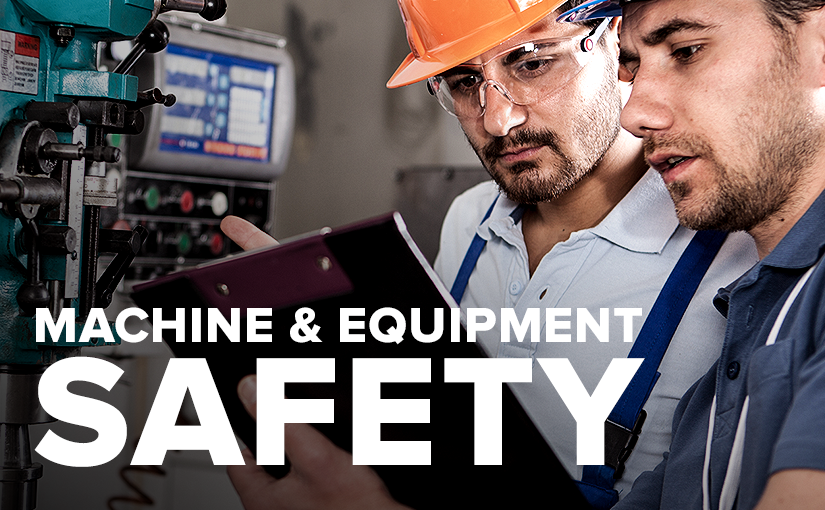
More than 4,500 fatal injuries occur in the workplace per year. Prevention is key; know your employees are in the safest possible environment when it comes to preventing future machinery mishaps on the job. In this blog, we have compiled some ways to keep your workers safe, including being up-to-date with the lockout/tagout (LOTO) process, knowing what safety gear to have on hand, and understanding what extra precautions to take while operating machinery. Continue reading How to Ensure Your Workers Stay Safe While Operating Machinery

Stay Safe with this Checklist for Personal Protective Equipment (PPE)

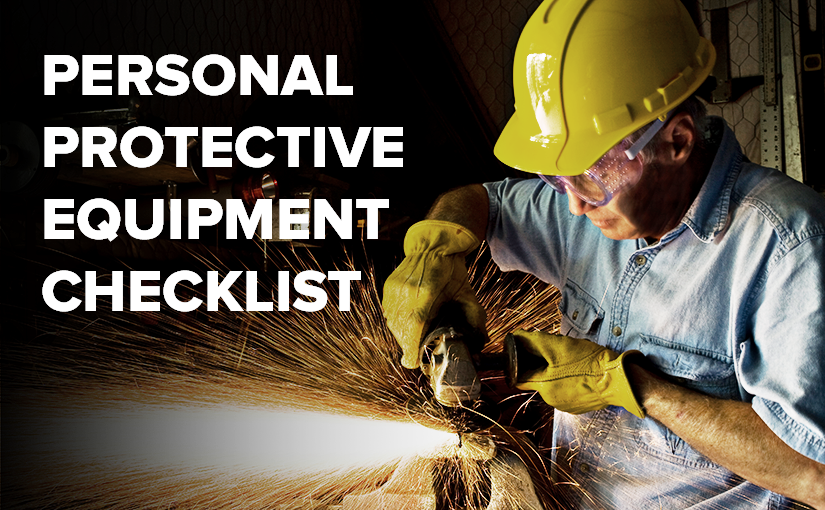
To reduce workplace accidents and shield workers from potential hazards, it’s important to have a thorough plan for equipping workers with personal protective equipment (PPE).

Without protective equipment plan, employees are at risk of injury and employers could be subject to fines or penalties. OSHA stipulates that employers must pay for personal protective equipment for employees with the exception of prescription safety glasses, safety-toe protective footwear and other equipment or clothing that is personal or worn outside of the job.

To help determine which protective gear is necessary for the job, we’ve prepared a checklist of commonly required personal protective equipment below. Continue reading Stay Safe with this Checklist for Personal Protective Equipment (PPE)

Tips for Working Across Generations

In many cases, a company’s employee base is its most valuable asset, especially in the skilled trade industries—and if organizations are going to thrive in the years to come, they’re going to need to learn how to attract and retain employees of future generations. As more and more of the baby boomer generation retire from the workforce, it’s time for companies to start accommodating the work preferences of Gen X and Millennial workers.

In this blog, we’ll identify the defining traits of employees from these two generations and explain how companies can best adapt to the changing workforce demographics. Continue reading Tips for Working Across Generations

Five Ways to Amp Up Sidewalk Safety This Winter

Did you know that in most states across the country, the owner of the building is responsible for the safety of the people who use their parking lot AND sidewalks? It’s a potential legal and financial liability that’s important to address. Not to mention the productivity that’s lost if one of your key staff members suffers a slip and fall that takes them off duty for a few weeks (or months!)

Here are a few things you, as a property owner, should do to make sure you’re ready when the snow and ice start to fall. Continue reading Five Ways to Amp Up Sidewalk Safety This Winter