Why Businesses Are Looking Beyond Price, and What US Standard Products Represents

For many businesses, price is one of the first things considered when purchasing workplace supplies. That makes sense. Procurement teams have budgets to manage, facilities have ongoing supply needs, and purchasing departments are expected to control costs.

But the lowest price on an invoice does not necessarily represent the lowest cost to the business.

Continue reading Why Businesses Are Looking Beyond Price, and What US Standard Products Represents
How Can US Standard Products Improve Both Protection and Productivity?

Workplace safety and productivity are often treated as separate priorities. In reality, the two are closely connected. When employees have the right protective equipment, well-maintained workspace, and dependable workplace supplies, they can perform their jobs with greater confidence and fewer interruptions.

Continue reading How Can US Standard Products Improve Both Protection and Productivity?

What Defines a Quality Product? Lessons from US Standard Products

Businesses across industries depend on products that perform consistently under demanding conditions. Whether a company is purchasing safety equipment, cleaning supplies, industrial products, or facility maintenance solutions, product quality can have a direct effect on workplace safety, productivity, and operating costs.

Continue reading What Defines a Quality Product? Lessons from US Standard Products

How US Standard Products Supports Safer and More Efficient Workplaces

A single workplace accident can instantly pause your entire business operations. Every employer wants to protect workers while keeping daily tasks smooth. Building a secure work space requires reliable supplies and smart planning.

Safety gear prevents sudden injuries and keeps your staff moving forward. High quality equipment reduces stress and boosts daily work performance. Reliable tools help companies build strong trust with every employee.

Continue reading How US Standard Products Supports Safer and More Efficient Workplaces

Safety equipment to wear when a hurricane hits

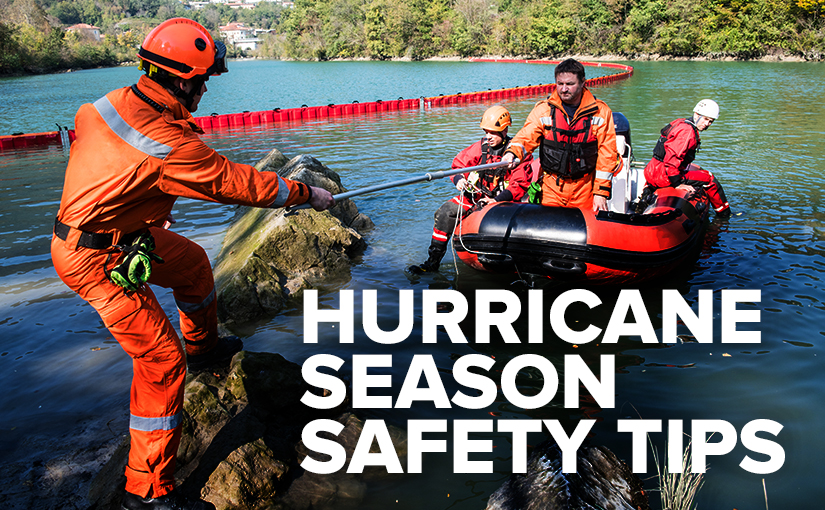
Did you know that the 2018 Atlantic hurricane season runs from June 1 to November 30? The National Weather Service defines a hurricane as a “tropical cyclone with maximum sustained winds of 74 mph or higher.” Whether you find yourself in a hurricane, cyclone, flood or typhoon, all of these storms can cause disastrous damage. Continue reading Safety equipment to wear when a hurricane hits

PPE for Lab Professionals

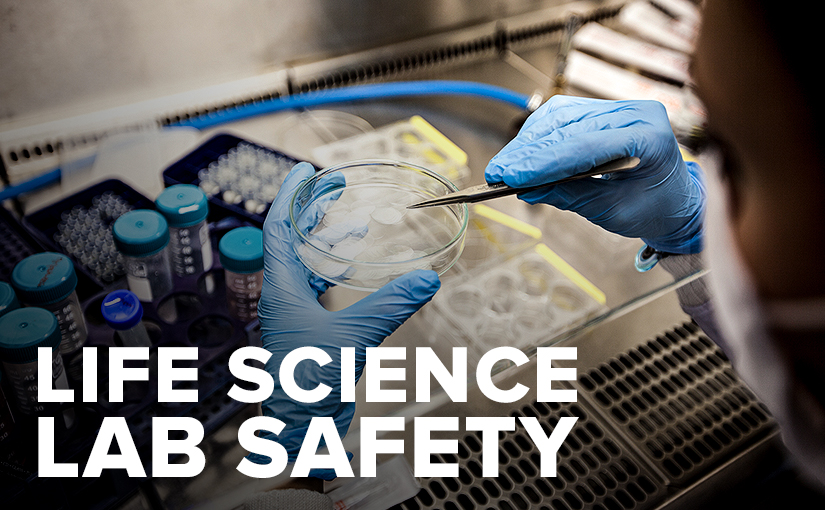
In a laboratory, an ounce of prevention really is worth a pound of cure. Taking steps to prevent exposure to hazards comes in many forms; establishing a culture of safety, administering regular inspections, and wearing protective gear, just to name a few. Personal protective equipment (PPE) comes in many different forms and varieties; knowing what equipment to wear and when to wear it is half the battle to keeping everyone in a workplace safe. Continue reading PPE for Lab Professionals

Picking Proper Protection: Face Shields

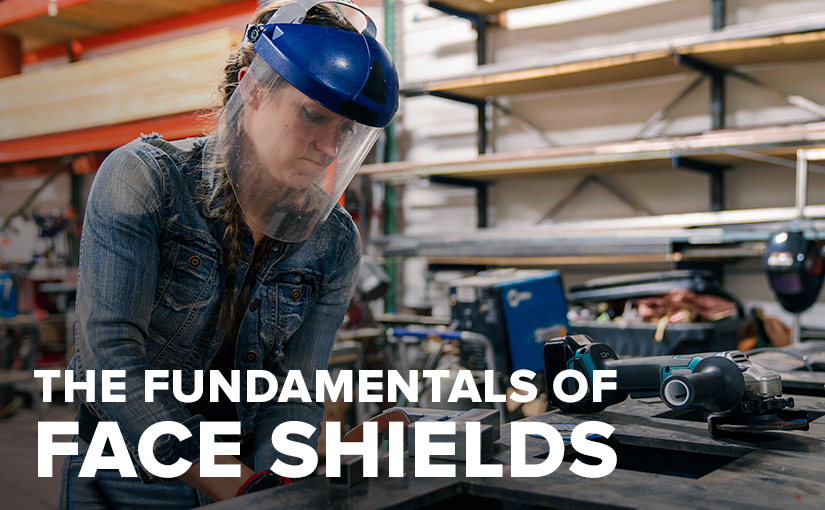
In any workplace, there are a number of hazards that an employee might encounter and be injured by. Among these threats are several dangers to the eyes and face. But Prevent Blindness America has found that these injuries are some of the most preventable. In recent years, they have identified 86,000 work-related accidents that could have ended with a serious eye injury but were prevented by the proper use of eye protection. While many professionals are actively promoting the use of safety eyewear, civic and manual labor professionals often need the added protection of a face shield. While you should never wear a face shield by itself, knowing when to and what kind of face shield to wear for a task is essential when picking out protection for your employees. Continue reading Picking Proper Protection: Face Shields

Reducing Eye Injury: The Basics

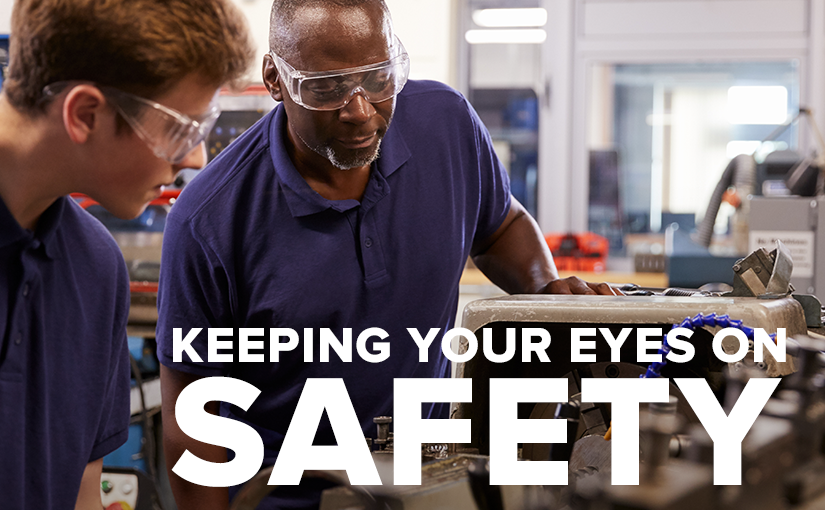
The Centers for Disease Control (CDC) reports that about 2,000 workers in the US sustain a work-related eye injury that requires medical attention each day. Prevent Blindness America and many other professional organizations maintain that 90% of these accidents could be prevented. As an employer, you are responsible for providing the proper personal protective equipment (PPE) for every person working under your supervision. You can do your part to prevent these injuries from happening by understanding when eye protection should be worn and what type of protection should be used for different tasks. Continue reading Reducing Eye Injury: The Basics

Listen Up! 5 Guidelines to Protect Your Employees’ Hearing

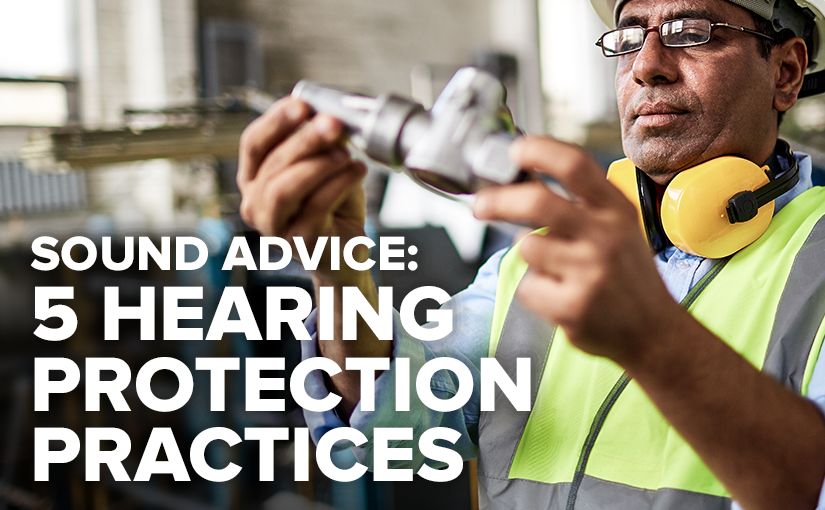
The National Institute for Occupational Safety and Health estimates that about 22 million US employees are exposed to hazardous noise levels at work, making occupational hearing loss one of the most common work-related injuries in the country. With OSHA’s recommended “danger zone” starting at just 85 decibels, chances are that your industrial or construction workplace requires the use of hearing protection. Continue reading Listen Up! 5 Guidelines to Protect Your Employees’ Hearing

When to Replace Safety Equipment

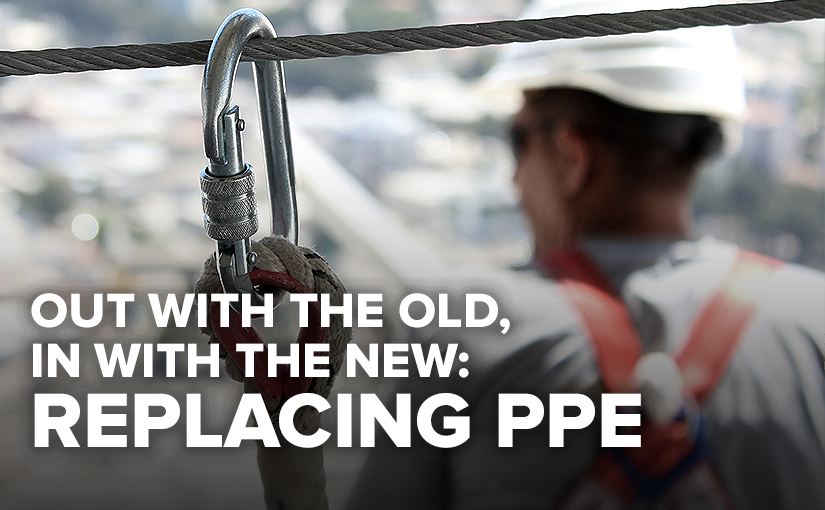
There might be more than calendars that need to be replaced in your workplace this January. As an industrial workplace employer, the safety of your workforce falls to you. Personal protective equipment (PPE) is considered the last line of defense for workplace safety. No matter the industry, knowing when to replace safety equipment minimizes failure of worn-out devices and resulting injuries. Here are some ways to know if it’s time to discard the old PPE and bring in some new gear. Continue reading When to Replace Safety Equipment