US Standard Products: What Should a Workplace Emergency Kit Include?

Workplace emergencies rarely happen at a convenient time. A minor cut, sudden power outage, severe storm, spill, or unexpected incident can leave employees searching for supplies when every second counts. Keeping essential emergency materials together and easy to access gives employees a better chance of responding quickly while more serious help is arranged when necessary.

A workplace emergency kit should be built around the actual conditions of the facility. An office may have relatively simple needs, while a warehouse, construction site, manufacturing plant, or other industrial workplace may require additional protective equipment and supplies.

Continue reading US Standard Products: What Should a Workplace Emergency Kit Include?

Why US Standard Products Is a Trusted Name in Industrial Safety Solutions

Workplace safety has become a defining priority for businesses across virtually every industry. Manufacturing facilities, warehouses, construction sites, healthcare organizations, municipalities, and commercial businesses all face increasing expectations to protect employees while maintaining productivity and controlling operating costs. At the same time, companies must adapt to changing regulations, evolving workplace standards, and growing interest in environmentally responsible business practices.

Continue reading Why US Standard Products Is a Trusted Name in Industrial Safety Solutions

How Workplace Safety can be Ensured by Employers

It is important for an employer to create a safe and healthy physical work environment, and for leaders to go beyond their legal obligations to ensure workplace safety. When an employer or their worker is sick or injured at work, it is difficult for both parties, and can be easily avoided with a few important preventative steps. To go over how workplace safety can be ensured by employers, we spoke to US Standard Products to go over everything you need to know.

Continue reading How Workplace Safety can be Ensured by Employers

The Purpose of Using Safety Equipment

No matter what industry you are in, chances are you use safety equipment in the workplace. Whether it is protective gloves, ear plugs or steel toed shoes, it is easy to forget how far we have come. Safety equipment is used to reduce employee exposure to hazards, which can be anything from wet floors to falling debris. To go over everything you need to know about the purpose of safety equipment and how far we have come in health and safety, we spoke to industry leaders, US Standard Products.

Continue reading The Purpose of Using Safety Equipment

The Role of Personal Protective Equipment on the Job Site

Personal protective equipment is a necessity in many industrial fields. Commonly known as PPE, personal protective equipment is worn in order to minimize a person’s exposure to serious workplace illnesses and injuries. Chemical, radiological, electrical, mechanical, and physical hazards are examples where personal protective equipment is needed. This equipment could include full body suits, vests, coveralls, respirators, hard hats, earplugs, safety shoes and glasses, and gloves.

Continue reading The Role of Personal Protective Equipment on the Job Site

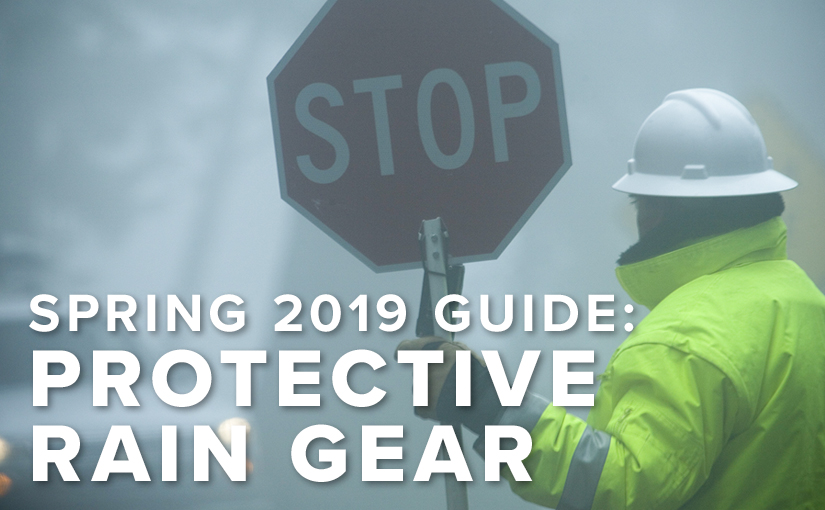
Does your team have protective rain gear?

April showers are here and rain can undoubtedly be a major nuisance for outdoor workplaces. Is your team prepared? Equipping your team with protective rainwear can dramatically boost employee productivity, especially if you’re in an industry that consistently works outdoors. OSHA does not mandate employers to pay for ordinary clothing such as rain coats, but it is highly recommended for employee safety to ensure that projects will be completed on schedule.

Read on to learn the importance of adequate protection from the rain, as well as what qualities to look for in rainwear to ensure your team is properly protected from the weather.

Continue reading Does your team have protective rain gear?

Quick Checklist for Property Managers

Even though office buildings aren’t typically equipped with heavy machinery, complicated equipment, and dangerous chemicals, there are still a number of hazards that tenants can face. Not only should you act to keep those on your property safe, you also will want to take precautions against a potential lawsuit. But that doesn’t mean that commercial building and property managers are off the hook on the safety front.

Here, we’ve put together a quick checklist to help those in charge of property maintenance keep their buildings, grounds, and tenants safe and sound. You can also find a wide variety of self-inspection jobsite checklists on OSHA’s website when preparing for a new season or project.

Continue reading Quick Checklist for Property Managers

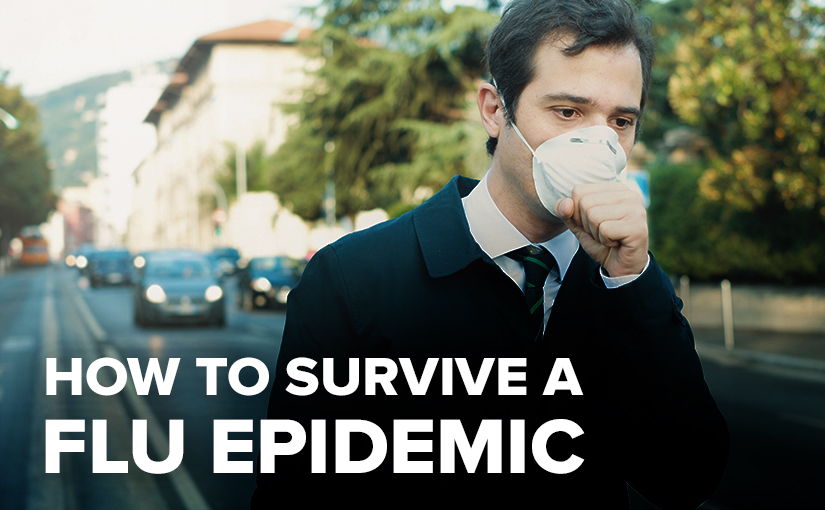
How to Survive a Flu Epidemic

An influenza pandemic is a global outbreak of a new influenza A virus that is very different from current and recently circulating human seasonal influenza A viruses. Influenza A viruses are constantly changing, making it possible on very rare occasions for non-human influenza viruses to change in such a way that they can infect people easily and spread efficiently from person to person.

Continue reading How to Survive a Flu Epidemic

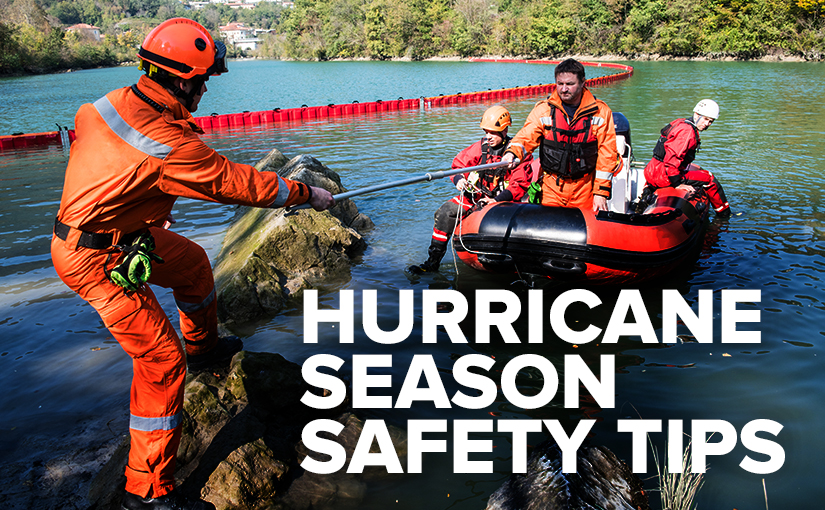
Safety equipment to wear when a hurricane hits

Did you know that the 2018 Atlantic hurricane season runs from June 1 to November 30? The National Weather Service defines a hurricane as a “tropical cyclone with maximum sustained winds of 74 mph or higher.” Whether you find yourself in a hurricane, cyclone, flood or typhoon, all of these storms can cause disastrous damage. Continue reading Safety equipment to wear when a hurricane hits

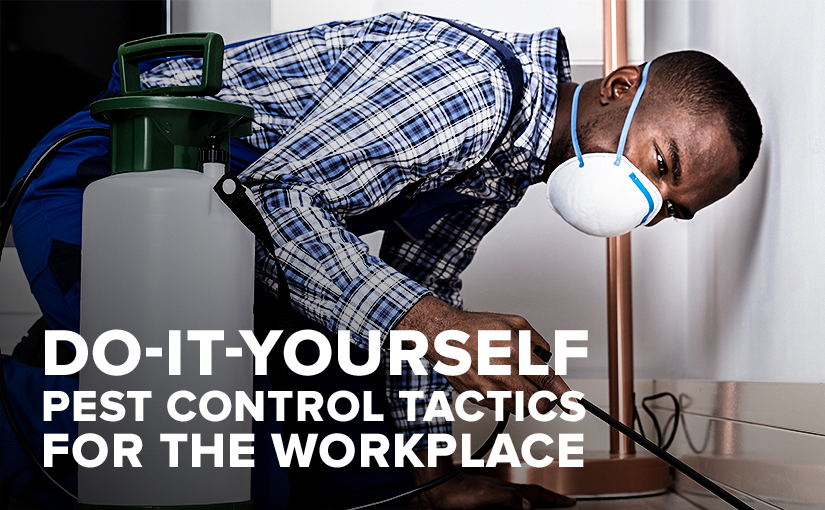
Do-It-Yourself Pest Control Tactics for the Workplace

Earlier this month, seven Kansas Department of Revenue employees were placed on administrative leave after a bed bug infestation was discovered in one of their office buildings. All employees were even required to inspect their homes for bedbugs before returning to work.

Believe it or not, pest infestations in the workplace are more common than you think. In fact, this year in the Central US, 87.1 percent of companies saw an increase in bed bug activity. Continue reading Do-It-Yourself Pest Control Tactics for the Workplace