
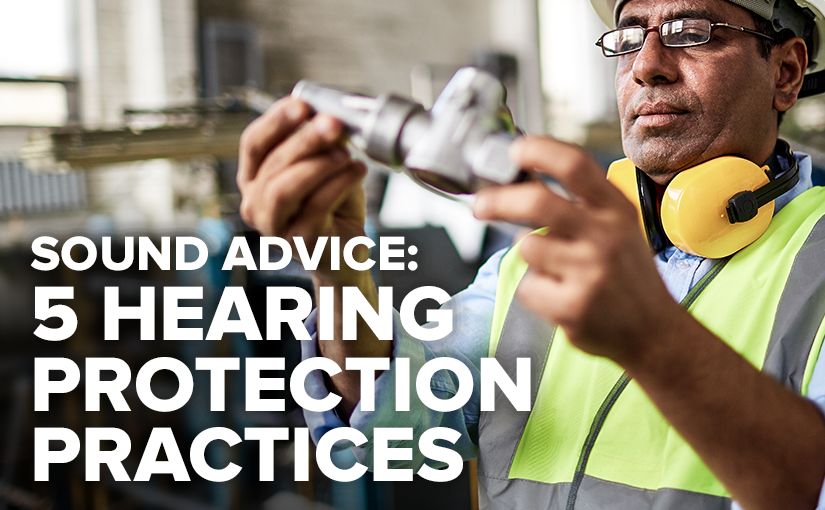
The National Institute for Occupational Safety and Health estimates that about 22 million US employees are exposed to hazardous noise levels at work, making occupational hearing loss one of the most common work-related injuries in the country. With OSHA’s recommended “danger zone” starting at just 85 decibels, chances are that your industrial or construction workplace requires the use of hearing protection. Continue reading Listen Up! 5 Guidelines to Protect Your Employees’ Hearing
Tag: safety

Staying Energized and Increasing Productivity on the Job
The ExxonMobil oil spill, Three Mile Island accident, Challenger Explosion, and Chernobyl were all disasters in their own right. They have each been studied extensively to isolate what caused them, and it’s been found there are many factors that worked together to cause these events to occur. What’s interesting is that one factor, in particular, was common among all of these crises—and it’s a factor that impacts every work site operating today: sleep deprivation. Continue reading Staying Energized and Increasing Productivity on the Job
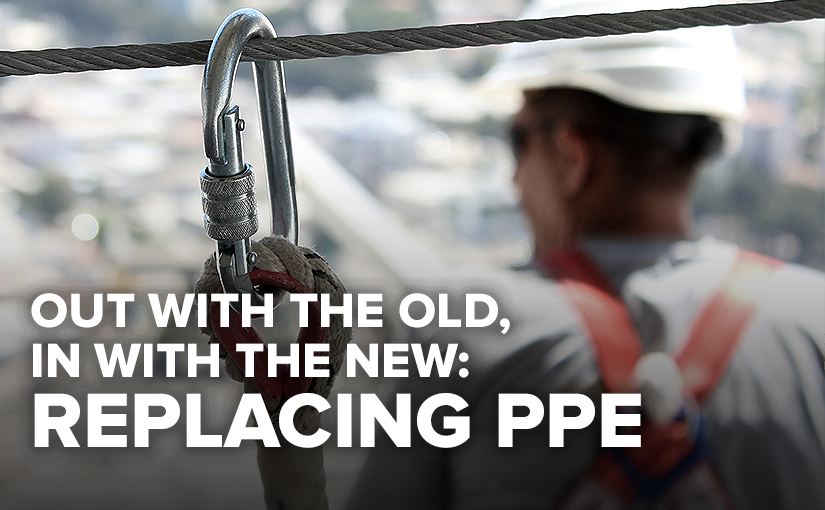
When to Replace Safety Equipment
There might be more than calendars that need to be replaced in your workplace this January. As an industrial workplace employer, the safety of your workforce falls to you. Personal protective equipment (PPE) is considered the last line of defense for workplace safety. No matter the industry, knowing when to replace safety equipment minimizes failure of worn-out devices and resulting injuries. Here are some ways to know if it’s time to discard the old PPE and bring in some new gear. Continue reading When to Replace Safety Equipment
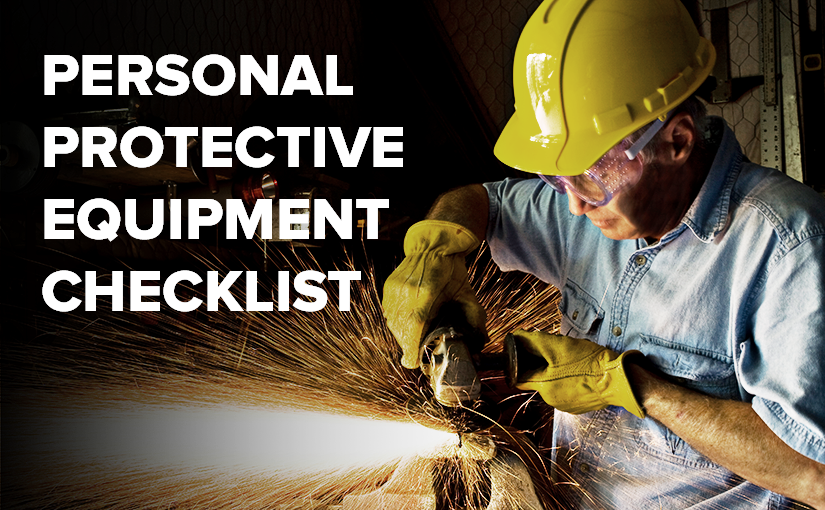
Stay Safe with this Checklist for Personal Protective Equipment (PPE)
To reduce workplace accidents and shield workers from potential hazards, it’s important to have a thorough plan for equipping workers with personal protective equipment (PPE).
Without protective equipment plan, employees are at risk of injury and employers could be subject to fines or penalties. OSHA stipulates that employers must pay for personal protective equipment for employees with the exception of prescription safety glasses, safety-toe protective footwear and other equipment or clothing that is personal or worn outside of the job.
To help determine which protective gear is necessary for the job, we’ve prepared a checklist of commonly required personal protective equipment below. Continue reading Stay Safe with this Checklist for Personal Protective Equipment (PPE)