

From hanging lights outside, to decorating around the department, the holiday spirit is likely to take over your office this season. While many large businesses opt to hire a professional decorating company, smaller organizations often choose to decorate themselves. Along with a fun and easy team-building activity, decorating your office yourself also means that the final product will have a more personal touch. As you and your co-workers deck the cubicle walls, keep in mind the following five safety tips. Continue reading How to Decorate Your Office for the Holidays Safely
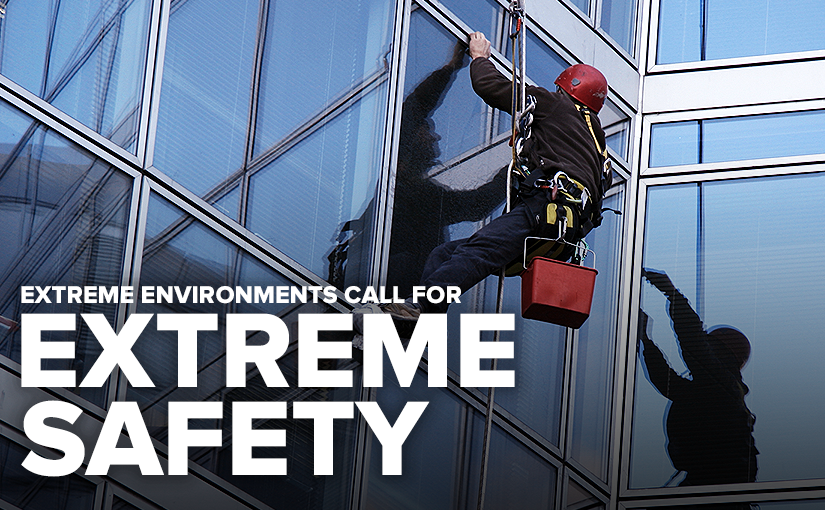
Exploring Safety Equipment for Extreme Environments
As a trade professional, you likely know the ins and outs of safety best practices—the importance of wearing the right gear and having the right protective equipment on hand has probably been drilled into your head since day one. But what about those times when you’re pushed out of your comfort zone? Literally. Throughout the course of your career, you’ll likely encounter extreme scenarios and environments that will call for extreme safety measures. Here we’ve outlined some of those common “extreme” environments and exactly what you’ll need to ensure maximum safety on the job. Continue reading Exploring Safety Equipment for Extreme Environments
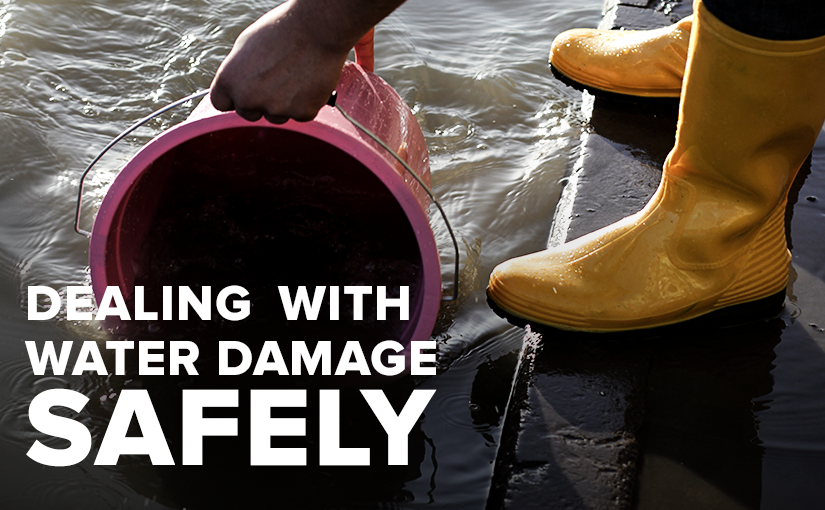
Your Business Flooded… Now What?
In the wake of two major hurricanes, countless businesses along our country’s southern coast are faced with the aftermath—in particular, water damage. We know that when it comes to your business operations, downtime equals lost revenue, so to help businesses get back up and running ASAP, we’ve compiled some steps to take in the event of a flood or other water damage. Continue reading Your Business Flooded… Now What?
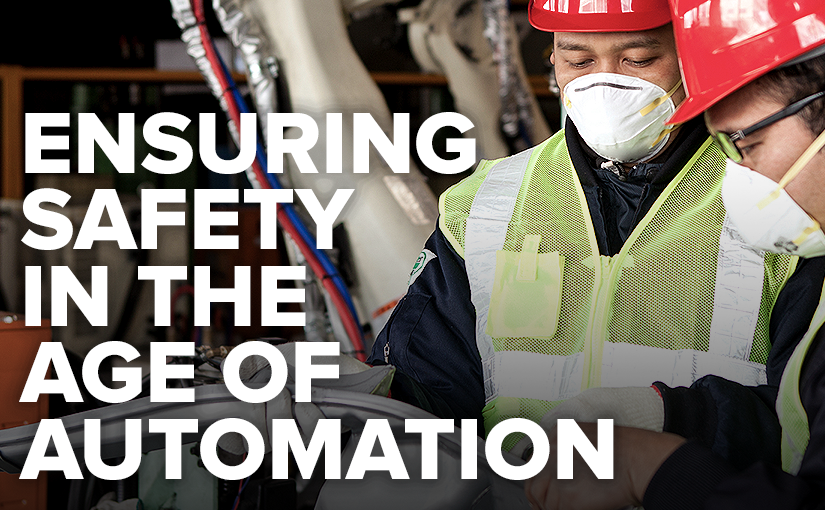
US Standard Products Insights: You Can’t Automate Safety
It’s not news to anyone that the manufacturing industry is facing a massive shift. Between artificial intelligence, automation, and other advanced technologies, manufacturing is quickly becoming a more tech-focused and “hands-off” line of work. In 2014, there were 1.5 million industrial robots in factories and warehouses, and that number only continues to climb. Continue reading US Standard Products Insights: You Can’t Automate Safety
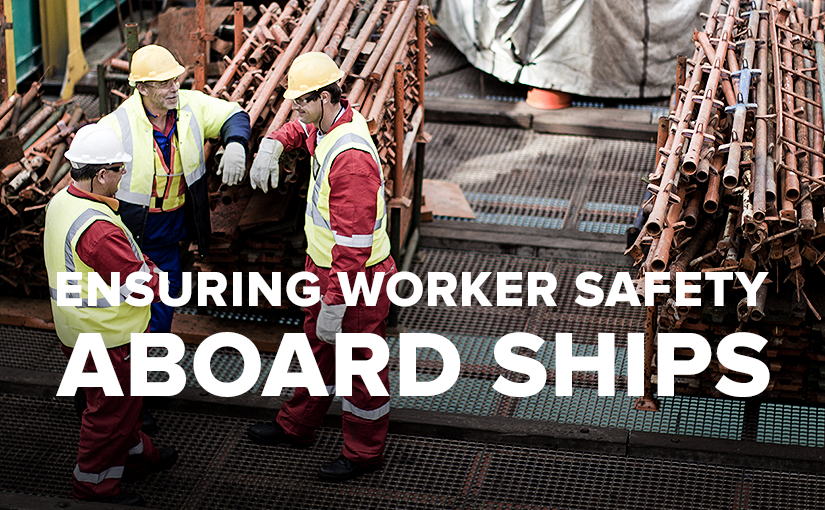
All Aboard: Nautical Safety Checklist
When it comes to keeping your crew safe out on the deep blue sea, having life preservers, emergency rafts, and other floatation devices readily available is a no brainer. You’re prepared for the worst, and that’s a great start—but your ship safety precautions shouldn’t stop there. Ensuring a safe work environment is critical, both on land and sea. Do you have the proper personal protective equipment (PPE) on hand to keep your workers safe through the day-to-day rigors of working aboard the ship? We’ve put together a quick checklist to help you find out. Continue reading All Aboard: Nautical Safety Checklist
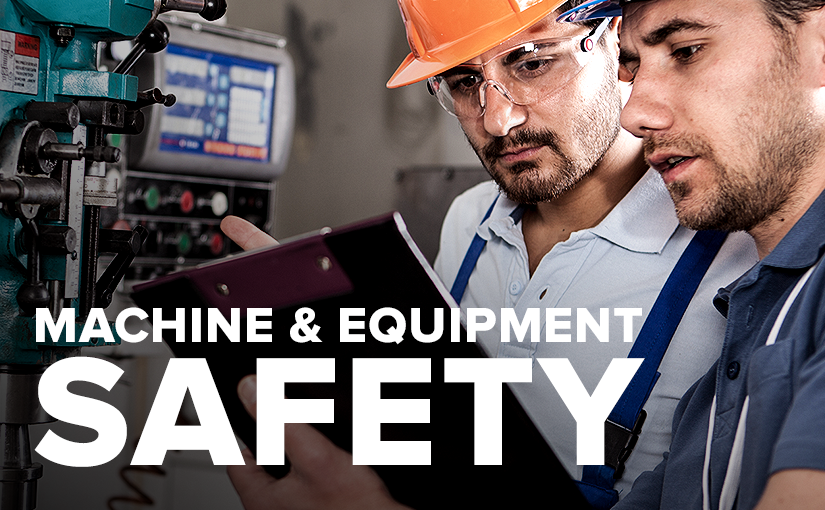
How to Ensure Your Workers Stay Safe While Operating Machinery
More than 4,500 fatal injuries occur in the workplace per year. Prevention is key; know your employees are in the safest possible environment when it comes to preventing future machinery mishaps on the job. In this blog, we have compiled some ways to keep your workers safe, including being up-to-date with the lockout/tagout (LOTO) process, knowing what safety gear to have on hand, and understanding what extra precautions to take while operating machinery. Continue reading How to Ensure Your Workers Stay Safe While Operating Machinery
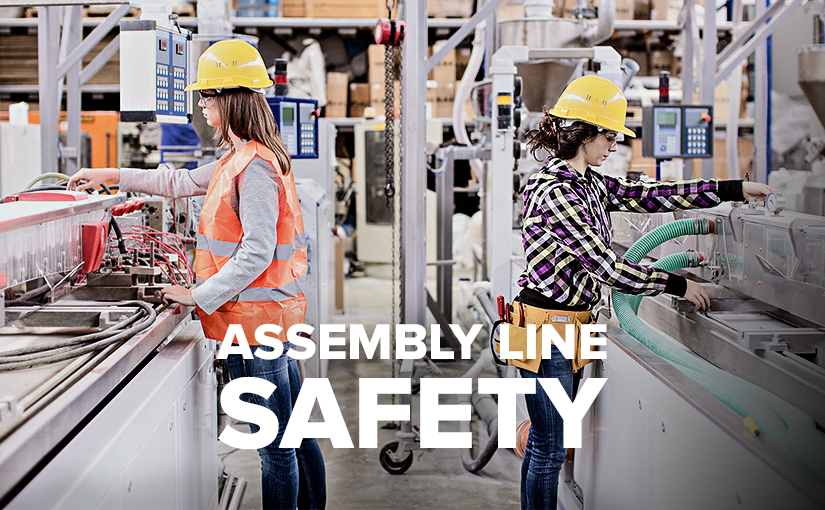
The Must List: Manufacturing Safety
Fast-moving belts, metal-crushing machinery, and scraps potentially flying every which way. In the manufacturing world, safety hazards are plentiful, but fortunately, so is the safety equipment designed to provide protection from the dangers of the job. Here, we’ve compiled a comprehensive list of all the equipment your facility should have on hand in order to keep your workers safe, and your assembly line running smoothly and efficiently. Continue reading The Must List: Manufacturing Safety
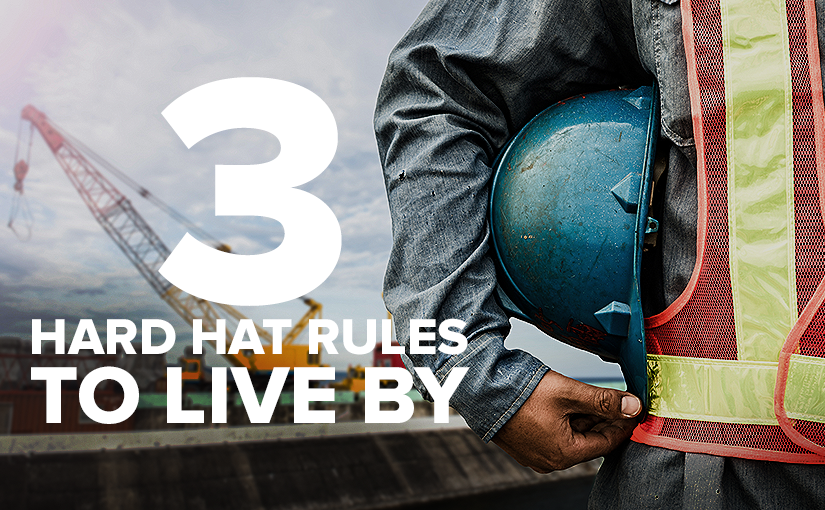
Heads Up! 3 Tips to Ensure Your Hard Hat is Safe.
When it comes to safety equipment, the hard hat arguably trumps all. Protecting one of your most critical body parts from impact, the structural integrity of your hard hat is of utmost importance. In fact, in 2012, 1,020 workers died from on-the-job head injuries, according to the National Safety Council. To help ensure your helmet is to the highest safety standards, we’ve put together the top three rules all hard-hat-wearing professionals should know. Continue reading Heads Up! 3 Tips to Ensure Your Hard Hat is Safe.
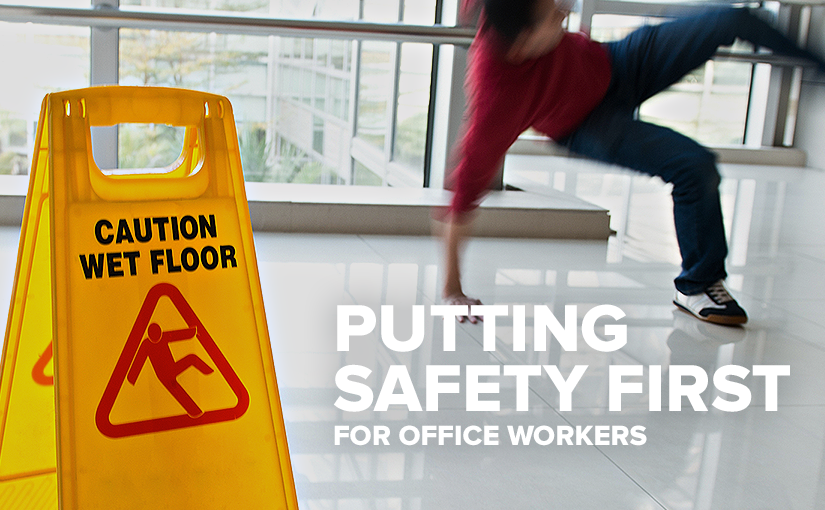
Avoiding Commercial Property Hazards
A safety checklist for building and property managers.
Compared to many labor-intensive jobs, office workers have it pretty easy—at least when it comes to taking rigorous safety precautions. While a spilled cup of coffee or an open file drawer can certainly cause harm, the dangers involved in office settings often pale in comparison to those present in industrial or manufacturing worksite environments. Continue reading Avoiding Commercial Property Hazards

Be in the Know: Safety Must-Reads
Explore a collection of interesting safety industry resources and insights from the U.S. Standard Products team. Continue reading Be in the Know: Safety Must-Reads