
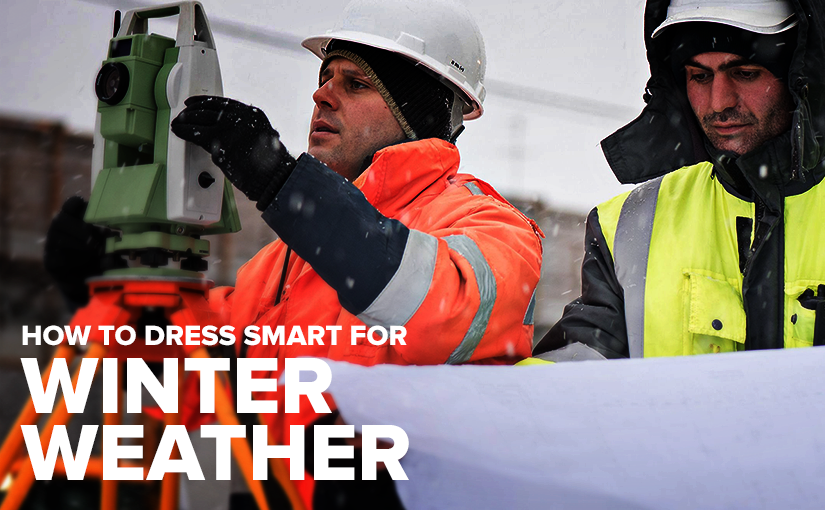
Everyone always complains about the cold in the winter, but did you know that frigid weather is actually more deadly than heat? A report by the National Center for Health Statistics reveals that winter cold kills twice as many Americans than summer heat. Each year, approximately 2,000 people die due to weather-related causes. Of that population, 63% of deaths are caused by exposure to cold and/or hypothermia, while only 31% are attributed to heat-related exposure such as heat or sun stroke. Continue reading Cold Weather Gear Guide for Outdoor Workers
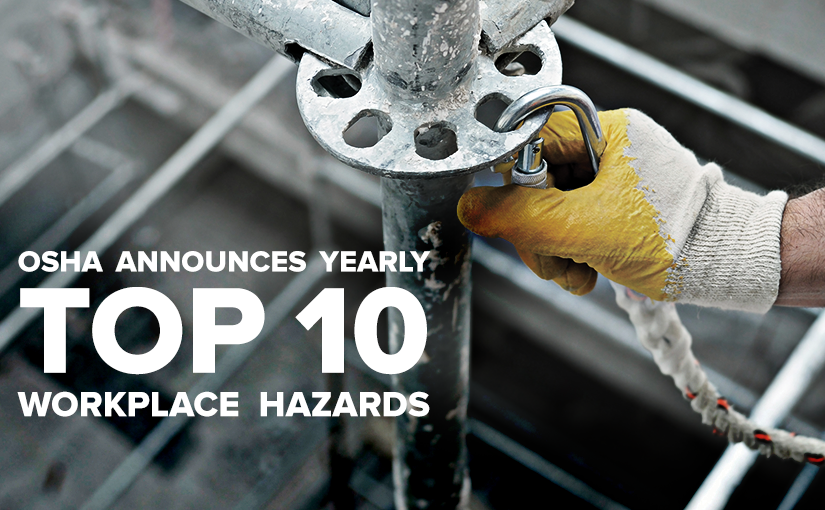
Fall Protection Cited as #1 Workplace Hazard in 2016
According to new research released by the Occupational Safety and Health Administration, fall protection takes the top spot as the most frequently cited workplace safety and health violation in 2016. The data was compiled from nearly 32,000 workplace inspections, and indicates several startling trends when it comes to on-the-job safety. Continue reading Fall Protection Cited as #1 Workplace Hazard in 2016
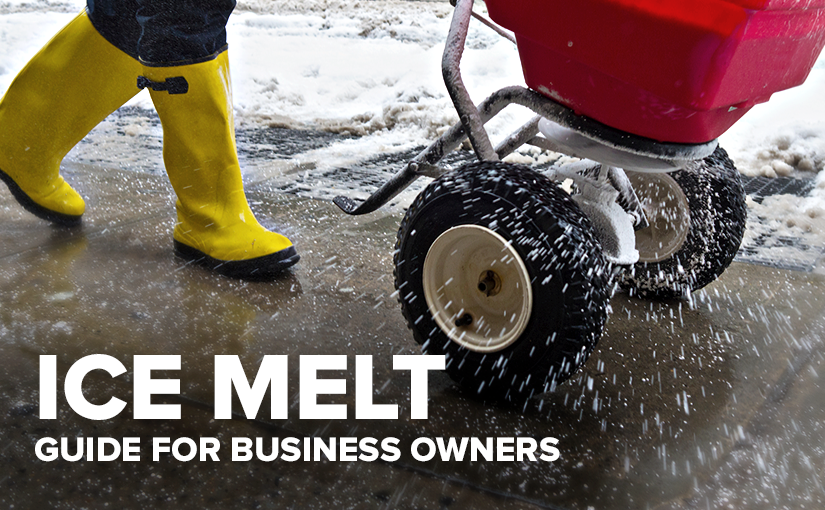
Ice Melt Guide for Business Owners
To the average business owner, ice melt is ice melt—you spread it on your sidewalks and parking lots, helping to ensure that the walkways surrounding your business are free of ice (and slip) hazards. What many don’t realize is that there is a wide variety of ice melt types, each with different properties. Some are safe for animals, others are not; some work in super cold temperatures, and others don’t. While there are a number of different ice melt products available, they all work in a similar way—by lowering the freezing point of water and turning snow and ice into saltwater slush. Continue reading Ice Melt Guide for Business Owners
Spreading Kidney Disease Awareness One Grand Round at a Time
U.S. Standard Products is proud to support the National Kidney Foundation serving Greater New York. Through our support of the Grand Rounds program, the organization is able to improve awareness, prevention and treatment of kidney disease. Continue reading Spreading Kidney Disease Awareness One Grand Round at a Time
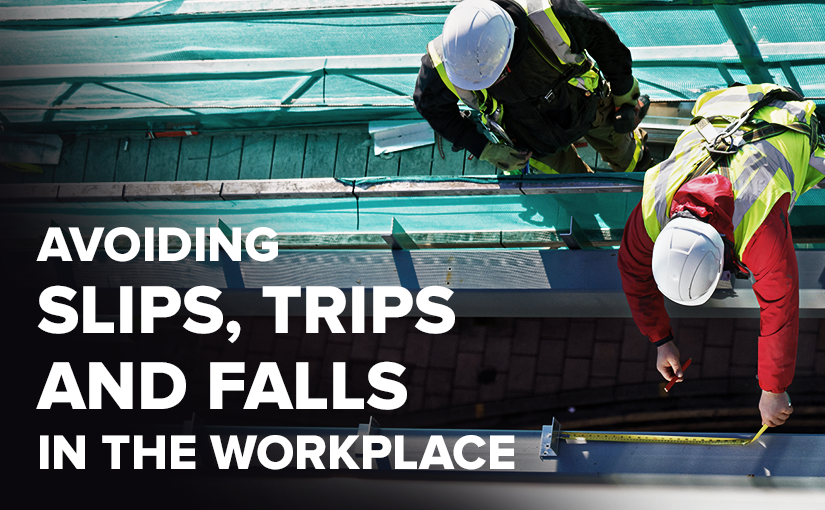
Avoiding Slips, Trips and Falls in the Workplace
Falls in the workplace are nothing to mess around with. In 2009, the Bureau of Labor estimated that 212,760 workers were seriously injured by a fall, and even worse, 605 workers were killed. And according to the National Safety Council, 25,000 slip, trip and fall accidents occur daily in the U.S. While workers across all trades face the risk of falling, the most dangerous trades of them all often involve working six or more feet from the ground, such as construction, roofing, tree trimming, utility repair, etc. Continue reading Avoiding Slips, Trips and Falls in the Workplace
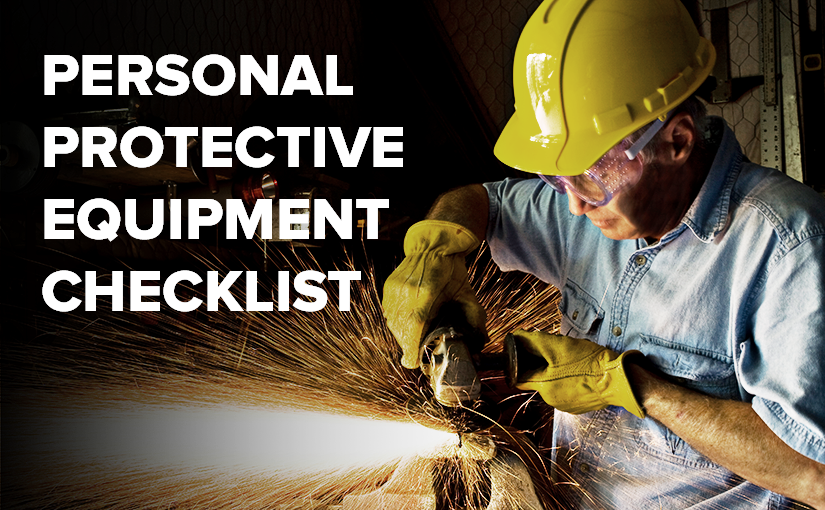
Stay Safe with this Checklist for Personal Protective Equipment (PPE)
To reduce workplace accidents and shield workers from potential hazards, it’s important to have a thorough plan for equipping workers with personal protective equipment (PPE).
Without protective equipment plan, employees are at risk of injury and employers could be subject to fines or penalties. OSHA stipulates that employers must pay for personal protective equipment for employees with the exception of prescription safety glasses, safety-toe protective footwear and other equipment or clothing that is personal or worn outside of the job.
To help determine which protective gear is necessary for the job, we’ve prepared a checklist of commonly required personal protective equipment below. Continue reading Stay Safe with this Checklist for Personal Protective Equipment (PPE)
OSHA Violation Penalties to Increase Significantly in August 2016
The Occupational Safety & Health Administration (OSHA) recently announced that maximum penalties for workplace violations will increase by 78% this August.
The increase is a byproduct of the Bipartisan Budget Act of 2015 passed by congress last November, which required federal agencies to adjust civil penalties to account for inflation. Because OSHA’s maximum penalties were last changed in 1990, the legislation required OSHA to adjust for inflation changes over the last 26 years. Continue reading OSHA Violation Penalties to Increase Significantly in August 2016
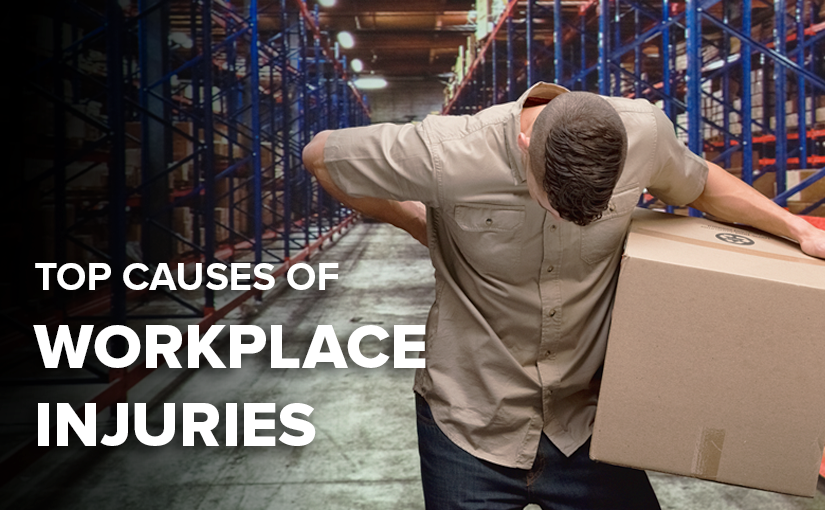
The Top 10 Causes of Workplace Injuries
Did you know that disabling workplace injuries cost U.S. businesses more than $60 billion annually in direct costs?
There are many potential sources for workplace injuries, but we’re breaking down the top 10 most common causes of disabling workplace injuries according to the 2016 Liberty Mutual Workplace Safety Index. The index details some of the most prevalent causes for injuries in workplaces across the U.S. and is based on data from the U.S. Bureau of Labor Statistics, the National Academy of Social Insurance and Liberty Mutual Insurance. Continue reading The Top 10 Causes of Workplace Injuries

Why You Should Establish a Safety Culture in the Workplace
Every heavy industrial or construction company you come across will likely say that worker safety is one of the most important pillars of their organization.
Minimizing incidents is a top priority, not only to keep employees healthy and safe, but also to reduce the costs associated with on-the-job injuries. But how many organizations really practice what they preach? Incorporating a safety curriculum into new hire training programs alone is not going to facilitate a safe working environment. To truly maximize safety on-the-job, every organization must establish a strong safety culture in the workplace. Continue reading Why You Should Establish a Safety Culture in the Workplace

Stay Safe While Working Outdoors This Summer
Summer is peak season for construction and other outdoor work, and while the warm weather and sunshine is nice, it’s important to consider safety when working outdoors in extreme heat.
Hot temperatures may not seem particularly threatening, but heat stress injuries and heat strokes can be quite dangerous for outdoor workers. To stay safe while working outdoors this summer, keep these tips in mind: Continue reading Stay Safe While Working Outdoors This Summer